

Building Resilience Through Youth Programs: A Parent’s Guide
In today’s challenging world, helping children develop resilience is more crucial than ever. Youth programs have emerged as powerful tools for building this essential life skill. This comprehensive guide will help parents understand how structured youth activities can foster resilience, adaptability, and emotional strength in their children while creating lasting positive impacts on their development.
Understanding Resilience in Youth Development
Resilience is the ability to bounce back from setbacks and adapt to challenging circumstances. For children and teenagers, developing this skill is crucial for long-term success and emotional well-being.
Key Components of Youth Resilience
– Emotional awareness and regulation
– Problem-solving skills
– Social connections
– Self-confidence
– Adaptive coping mechanisms
The Role of Structured Programs
Structured youth programs provide safe, supportive environments where children can develop these essential skills through guided experiences and peer interactions.
Types of Youth Programs That Build Resilience
Various programs can contribute to building resilience in different ways.
Sports and Physical Activities
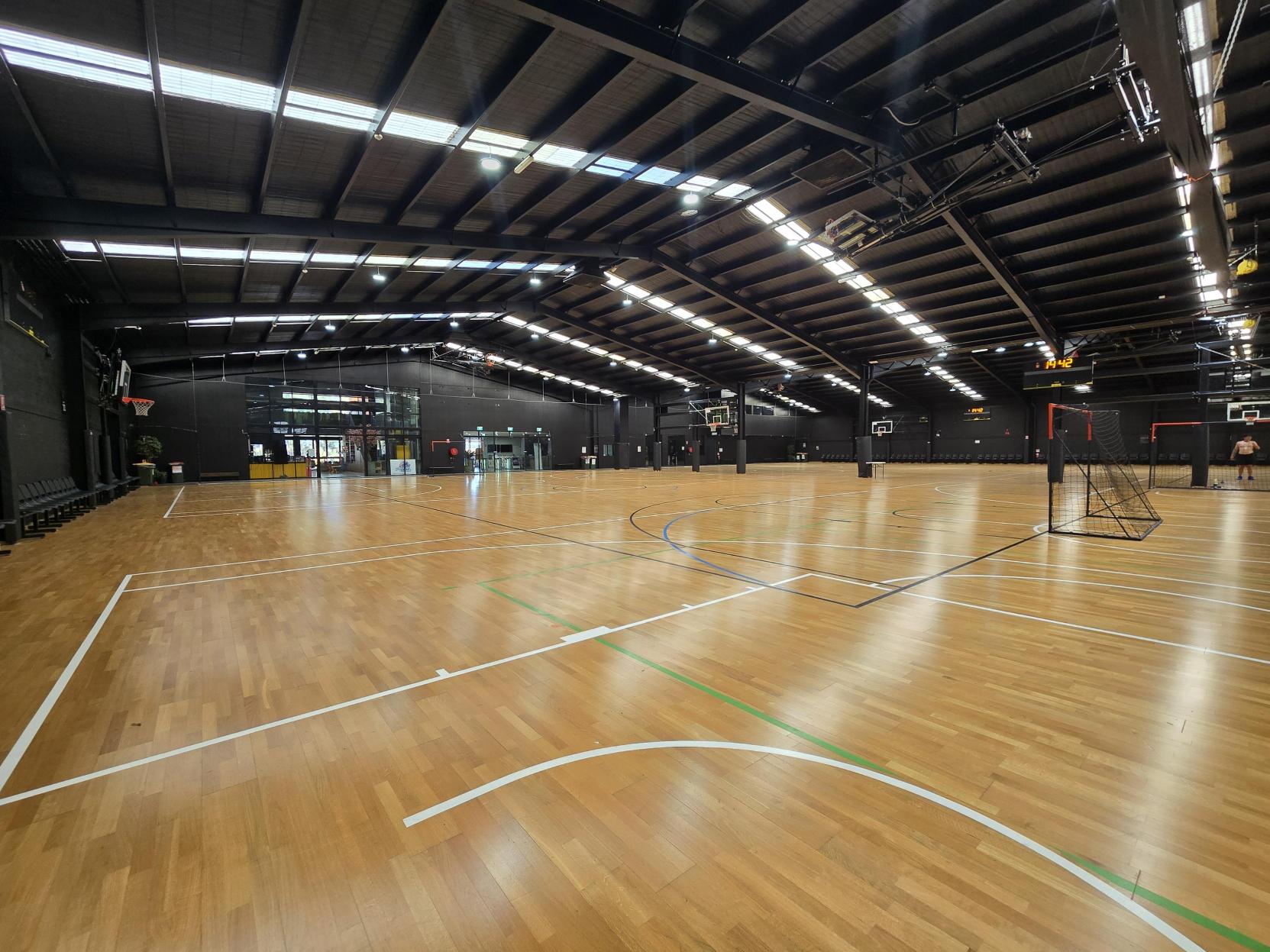
Team sports and physical activities teach perseverance, teamwork, and goal-setting. Indoor sports facilities, like Camellia Indoor Sports Centre, offer structured programs that combine physical activity with social skill development.
Creative Arts Programs
Art, music, and drama programs help children express emotions, build confidence, and develop problem-solving skills through creative expression.
Leadership and Community Service
Programs focusing on leadership and community involvement help youth develop a sense of purpose and capability while building social connections.
Selecting the Right Program for Your Child
Choosing an appropriate program requires careful consideration of several factors.
Assessment Criteria
– Program structure and goals
– Qualified instructors and mentors
– Age-appropriate activities
– Safety measures and supervision
– Opportunities for skill development
Supporting Your Child’s Journey
Parents play a crucial role in maximizing the benefits of youth programs by:
– Maintaining open communication
– Encouraging consistent participation
– Celebrating progress and effort
– Providing emotional support during challenges
Measuring Progress and Impact
Understanding how youth programs influence your child’s resilience development is essential for ongoing support and adjustment.
Signs of Growing Resilience
– Improved emotional regulation
– Better problem-solving abilities
– Increased social confidence
– Greater independence
– Enhanced stress management
Building resilience through youth programs is an investment in your child’s future success and well-being. By choosing appropriate programs and providing consistent support, parents can help their children develop the emotional strength and adaptability needed to thrive in life’s challenges. Consider exploring local youth programs today to start your child’s journey toward greater resilience.
Consider exploring our School Sports and Holiday Camps programs to help your child build resilience through sport.
Related reading: see our comparison of structured versus unstructured youth activities, and learn how we measure success in youth development programs.